

The 24-Hour Dock-to-Stock Rule: California Logistics 2026
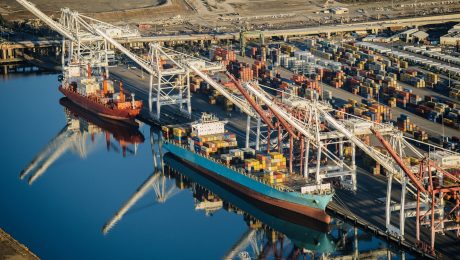
B2B buyers now expect B2C-level delivery speeds. The old strategy of holding “wait and see” inventory at inland buffers is officially dead. Modern supply chains require continuous flow inventory to keep up with demanding market expectations and tightened delivery windows. For business owners and logistics managers operating on the West Coast, mastering this rapid flow is critical for survival.
What Is the Dock-to-Stock Rule in Logistics?
In logistics, dock-to-stock refers to the time it takes for inbound inventory to move from the receiving dock to available inventory status within the warehouse management system (WMS). For many high-volume California B2B operations, achieving a sub-24-hour dock-to-stock cycle is becoming an increasingly important competitive benchmark.
This operational benchmark is quickly becoming the gold standard for high-volume operations. In fact, adhering to the dock-to-stock rule in California B2B environments is essential to remaining competitive against regional rivals.
Proximity to the ports of Los Angeles and Long Beach provides a unique operational advantage. Relying on inland hubs, such as the Inland Empire, often results in unavoidable transit bottlenecks. A strategic location near the coast enables companies to hit that tight 24-hour turnaround window and unlock massive efficiencies. This guide explores how embracing this shift will define success for distributors over the next few years.
The Logistics Geography of the Golden Circle
Navigating the complex landscape of California B2B logistics in 2026 requires a deep understanding of facility placement. The most successful businesses are focusing their operations within a specific, high-density industrial zone.
This “golden circle” encompasses the facilities located within 20 miles of the major ports, including areas like Compton, Carson, and Torrance. Operating within this radius provides a distinct 20-mile advantage. A 30-minute drayage trip to a port-adjacent facility sharply contrasts with the notably longer and congestion-prone moves into the Inland Empire, where severe traffic patterns and strict emissions-controlled zones create significant transit lag for those further inland.
Being close to the port unlocks the highly coveted “double turn” potential. Local facilities can run multiple drayage turns per day per driver. This operational rhythm effectively increases the intake capacity significantly compared to distant competitors who struggle to complete a single daily turn.
Orchestrating the Handshake: Terminal to Warehouse
Achieving optimal dock-to-stock efficiency requires seamless coordination between port terminals and receiving facilities. Technology bridges this gap, allowing goods to flow smoothly from the ship to the warehouse floor.
Advanced visibility platforms and port-integrated tracking systems now provide warehouses with live GPS tracking and manifest data long before a container leaves the terminal. This high level of supply chain visibility allows operations managers to prepare their docks proactively.
Predictive labour planning relies on this data to coordinate warehouse teams, automated equipment, and exception-based workflows. Managers can stage teams at the dock doors precisely when the chassis arrives, eliminating costly idle time.
The receiving process itself is undergoing a revolution. Facilities are moving far beyond manual barcode scanning. Many advanced warehouses are beginning to use AI-powered vision and automated scanning systems to scan entire pallets while they are still in motion, updating the warehouse management system in mere milliseconds.
Solving the Mixed SKU Nightmare
Breaking down complex freight is a notorious bottleneck for business owners and supply chain professionals. B2B containers rarely contain a single product type, making the deconsolidation process highly intricate.
These containers often house complex, multi-client, and multi-destination loads. Unpacking these mixed SKUs requires precision and speed to maintain the flow of goods under the strict 24-hour mandate.
Automated de-palletizing systems offer a reliable solution to this challenge. The integration of robotic arms and autonomous mobile robots handles the heavy-duty breakdown of B2B loads efficiently. This technology reduces the risk of human injury while drastically speeding up the sorting process.
Velocity-based slotting further streamlines operations. Intelligent software identifies high-demand items during the offload process. The system then directs these priority goods to cross-dock lanes instead of long-term storage racks, cutting holding time to nearly zero.
Financial Impacts: Beyond the Freight Bill
The benefits of the dock-to-stock rule in California B2B operations extend far beyond simple time savings. Implementing this aggressive turnaround standard yields significant financial advantages for high-volume firms.
A faster cash-to-cash cycle represents a massive working capital win. Goods that hit the shelves or outbound trucks 48 hours faster can unlock millions in capital. This liquidity allows manufacturers and distributors to reinvest in growth and new inventory rather than tying funds up in stagnant stock.
Rapid velocity also serves as a strong defence against exorbitant port fees. The 24-hour turnaround eliminates chassis-hoarding and container delays, effectively protecting businesses from severe detention and demurrage charges.
Finally, operating locally offers a distinct “California premium.” Being situated near the ports allows firms to utilize electric vehicle (EV) drayage fleets. This strategic move can help reduce fuel costs, emissions exposure, and transportation compliance-related expenses associated with longer diesel routes.
The New Barrier to Entry
Speed remains the only true competitive moat in modern fulfillment. Adhering to the 24-hour rule is no longer an optional upgrade; it is the fundamental price of admission.
The logistics landscape will continue to accelerate over the next few years. By 2028, distributors with slower inbound processing cycles may struggle to compete on cost, speed, and customer expectations in California’s high-volume fulfillment market. Investing in port-adjacent facilities, predictive technology, and automated receiving processes is essential for long-term viability.
If your business is struggling to maintain this pace, Lean Supply Solutions can help optimize your operations for maximum efficiency. Explore our comprehensive supply chain management services to see how we can transform your fulfillment strategy today.
- Published in Blog
In-House vs. 3PL: Is Your Shopify Store Ready to Outsource Fulfillment?

The fulfillment tipping point is rapidly approaching for many growing e-commerce businesses in 2026. You start your Shopify business carefully packing each box, adding a handwritten note, and dropping packages off at the local post office. Soon, your product gains traction. Suddenly, you are spending 80% of your time packing boxes and only 20% on actual business growth.
At this stage, you must weigh the benefits of in-house vs. 3PL Shopify fulfillment. In-house fulfillment means you handle all storage, packing, and shipping yourself. On the other hand, a third-party logistics (3PL) provider takes over these operations, storing your inventory and shipping orders directly to your customers.
Rising customer expectations are making the do-it-yourself route much harder to sustain. Shoppers now expect fast delivery, green shipping options, and reliable service badges at checkout. Trying to meet these demands on your own can quickly drain your resources and limit your potential for expansion.
The Hidden Costs of Staying In-House
Many founders drastically underestimate the true price of self-fulfillment. Staying in-house involves expenses that extend far beyond rent and packing tape.
Consider the real value of your time and resources when managing operations on your own. The hidden costs of managing your own warehouse often include:
- The founder’s hourly rate: What is your time actually worth? Every hour spent packing boxes is an hour taken away from high-level strategy.
- Opportunity cost: Think about the marketing campaigns and product launches that never happened because you were tied to a shipping desk.
- Infrastructure bloat: Running a warehouse requires specialized investments, including insurance, utilities, racking systems, and warehouse management software licenses.
There is also a significant carrier rate gap to consider. 3PL providers negotiate master agreements with major carriers like UPS and FedEx. This volume-based pricing routinely can save brands 15% to 40% on shipping costs compared to the standard rates available to a single online store.
The Checklist: 5 Signs It’s Time to Outsource
Knowing exactly when to make the leap to a logistics partner can save your business from operational bottlenecks. Review this checklist to see if your business is reaching its physical limits.
1. Order Volume: The 500 Rule
If you consistently ship more than 500 orders per month, the manual labour usually exceeds the cost of outsourced pick-and-pack fees. Once you cross this threshold, the economies of scale make a 3PL partner highly cost-effective.
2. Shipping Zones: Coast-to-Coast Costs
Shipping long distances can severely damage your profit margins. If your shipping costs to distant zones are eating into your revenue, you need a partner with distributed fulfillment centres to keep delivery affordable.
3. Seasonal Spikes: The Elastic Scale
Major sales events should be exciting, not exhausting. If Black Friday rushes or unexpected viral moments tend to break your spirit and cause shipping delays, you need the elastic, on-demand scale of a professional fulfillment centre.
4. The Error Rate Audit: Accuracy Matters
Mistakes in fulfillment lead to negative reviews and costly returns. If your mis-shipment rate climbs higher than 1%, your manual systems are failing, and professional oversight is required.
5. Integration Friction: Outdated Technology
Modern e-commerce requires seamless data flow. If you are still manually exporting CSV files to print labels, you are missing out on the automated benefits of a Shopify 3PL integration. Real-time syncing is critical for modern inventory management.
The 3PL Pros and Cons Reality Check
Before making a final decision, it is helpful to compare the two models side-by-side. The following table highlights the primary differences between managing operations yourself and partnering with a logistics expert.
| Feature | In-House Fulfillment | 3PL Partner |
| Control | Total (e.g., custom notes, bespoke tissue paper) | High (but limited to the chosen provider’s specific capabilities) |
| Cost Model | Fixed (i.e., rent and staff costs apply regardless of sales) | Variable (i.e., pay-per-order scale) |
| Scalability | Slow (requires hiring staff and renting more space) | Instant (practically unlimited capacity) |
| Unboxing | 100% bespoke | Standardized (though branded inserts are often possible) |
How to Transition Without Breaking Your Brand
Moving your Shopify business’s inventory to a new facility can feel overwhelming, but a phased approach minimizes risk. Follow these steps to ensure a smooth transition.
Step 1: The Inventory Audit
First, you’ll want to take stock of your current inventory to establish an accurate baseline and ensure a seamless operational handover. Tip: Do not send your dead stock to a new warehouse. Take the time to clear out slow-moving items, as you will end up paying storage fees for products that simply do not sell.
Step 2: Shopify Integration Check
Your logistics provider must be able to communicate flawlessly with your storefront. Choosing the right 3PL for a Shopify store means ensuring the provider offers a native application or seamless connection to keep your inventory accurate and prevent overselling.
Step 3: The Test Batch
You do not have to move everything at once. Start by transitioning your top three high-volume SKUs to your new partner while keeping the rest of your catalog at your own facility. This allows you to test their performance before fully committing.
2026 Trend Spotlight: The Hybrid Model
Some highly successful brands are choosing not to outsource every single order. The hybrid model offers a balanced approach to Shopify fulfillment.
Many growing companies maintain a small, boutique packing station for VIP clients, custom influencer kits, and highly personalized orders. At the same time, they rely on a third-party logistics partner to handle the majority of their daily fulfillment volume. This setup allows brands to retain a special touch for key marketing initiatives while benefiting from the speed and efficiency of a larger logistics network for regular customer orders.
Choosing Growth Over Glue Guns
Deciding between in-house vs. 3PL Shopify fulfillment ultimately comes down to your long-term goals. Outsourcing is an investment in your brand’s ability to scale, freeing up your team to focus on product development and customer acquisition.
If you checked three out of the five boxes on the fulfillment checklist, it is time to take action. Stop worrying about tape dispensers and start focusing on your company’s future. Contact Lean Supply Solutions now to request a quote and discover how a lean, integrated logistics strategy can elevate your Shopify operations in California.
- Published in Blog
Why California Is the Heart of Shopify Fulfillment in 2026

The e-commerce landscape is currently defined by the relentless “port-to-porch” race. Consumer expectations for rapid delivery have permanently shifted, making same-day and next-day shipping strict requirements rather than premium perks. As shopping cart platforms continue to expand their capabilities, merchants relying on traditional inland warehousing are quickly discovering that geographical distance creates a massive operational bottleneck. Every mile a shipping container travels over land adds compounding costs and delays that erode profit margins.
This geographical reality means that California functions as a logistics super-node for North American trade. For brands aiming to scale their operations, establishing a footprint near the Los Angeles and Long Beach port complex offers the single most effective way to slash transit times and overhead. Choosing to outsource fulfillment with Shopify through a strategically located West Coast hub gives merchants a distinct structural advantage over competitors shipping from the Midwest.
Navigating this logistics landscape requires a proactive approach to inventory placement. Securing Shopify fulfillment California operations ensures your products spend less time sitting on trains and more time moving toward the end consumer.
The Power of the Southern California Gateway
Establishing a base near the Pacific coast provides unparalleled access to incoming overseas freight. The sheer volume of trade flowing through this region creates a massive ecosystem of infrastructure designed specifically for rapid cargo distribution.
The Ports of Los Angeles and Long Beach, commonly known as the Twin Ports, collectively handle approximately 31% of all U.S. containerized international waterborne trade, making the San Pedro Bay complex the most important container gateway in the country.
Capitalizing on the “zero-mile advantage” means positioning your Shopify fulfillment centre adjacent to these ports. Every mile between the cargo ship and the storage shelf costs money and time. By minimizing this initial travel distance, brands can significantly reduce inbound freight friction.
Drastically Reducing Port-to-Warehouse Costs
Moving freight from the ocean terminal to an inland storage facility introduces multiple layers of expense. A localized fulfillment strategy eliminates many of these hidden fees and streamlines the entire receiving process.
Partnering with a specialized Shopify 3PL in California provides several immediate financial benefits for inbound cargo operations:
• Drayage Efficiency: Short-haul trucking, which moves containers from the terminal directly to a nearby warehouse, is significantly more cost-effective when the third-party logistics provider operates close to the port complex. Minimizing container travel distance helps reduce fuel, labour, chassis, and congestion-related costs.
• Eliminating Demurrage and Detention: Close proximity allows for much faster container turnaround. Empty containers are returned to the shipping lines promptly, preventing the massive daily late fees that quickly accumulate during supply chain disruptions.
• Transloading vs. Cross-Docking: Using localized hubs allows logistics teams to rapidly break down ocean containers into parcel-ready shipments. This skips the need to move full, heavy containers to a distant inland holding facility before sorting.
Accelerating Transit Times From Ocean to Cart
Speed to market directly influences conversion rates on your e-commerce storefront. Faster inbound processing means your available inventory updates sooner, capturing sales while competitors are still waiting for their goods to clear a rail yard in Chicago.
A West Coast entry point cuts days off total transit times compared to routing shipments through East Coast ports or inland rail hubs. This inventory velocity allows merchants using Shopify fulfillment in California to restock popular items rapidly. Rapid intake at the port translates to updating “in stock” quantities days earlier than competing brands, preventing lost revenue from stockouts.
Furthermore, this location offers significant last-mile synergy. The region is home to one of the highest concentrations of digital consumers in North America. Storing inventory near the port inherently places your products right next to a massive base of ready buyers, reducing outbound shipping zones and delivery times.
Future-Proofing for 2026 with Technology and Sustainability
Logistics technology and environmental regulations are evolving rapidly, and the West Coast consistently leads these industry shifts. Aligning with this progressive infrastructure ensures your operations remain compliant and highly efficient over the coming years.
Modern facilities are integrating AI-driven systems, such as the Port Optimizer, which predict vessel arrival times with near-perfect accuracy. This smart port integration allows a Shopify fulfillment partner to schedule warehouse labour perfectly, eliminating idle time. Additionally, this region leads the push for green logistics, implementing zero-emission drayage and electric trucking fleets. For e-commerce brands prioritizing eco-friendly operations, this sustainable infrastructure serves as a powerful selling point. Sourcing a facility here also helps build a tariff-resilient supply chain by utilizing a foreign trade zone (FTZ) to legally defer, reduce, or eliminate customs duties on imported goods until they actually enter the domestic market.
Strategic Advice for E-Commerce Merchants
Maximizing the benefits of a coastal logistics hub requires careful inventory planning and system integration. Applying the right strategies ensures you are not overpaying for storage while still meeting rapid delivery expectations.
Merchants should adopt a tiered inventory strategy to balance storage costs with fulfillment speed. High-volume stock keeping units (SKUs) should live in Southern California for rapid deployment, while slower-moving items can be pushed to cheaper inland storage zones. Additionally, merchants on advanced platforms can leverage network automation to manage this port-to-parcel flow seamlessly. Integrating your storefront with advanced warehouse management systems ensures real-time visibility across all locations.
Securing Your Competitive Edge on the West Coast
Operating a highly efficient supply chain is a fundamental necessity for merchants scaling past five figures in monthly orders. The brands that will dominate their respective markets in 2026 are those that proactively shorten the physical distance between the ocean and their customers.
Optimizing your logistics network starts with choosing the right geographic location and the right operational partner. Lean Supply Solutions offers the advanced technology, Lean Methodology, and strategic California positioning required to accelerate your e-commerce growth.
Ready to eliminate shipping delays and reduce your fulfillment costs? Contact Lean Supply Solutions today to build a smarter, faster supply chain.
- Published in Blog