

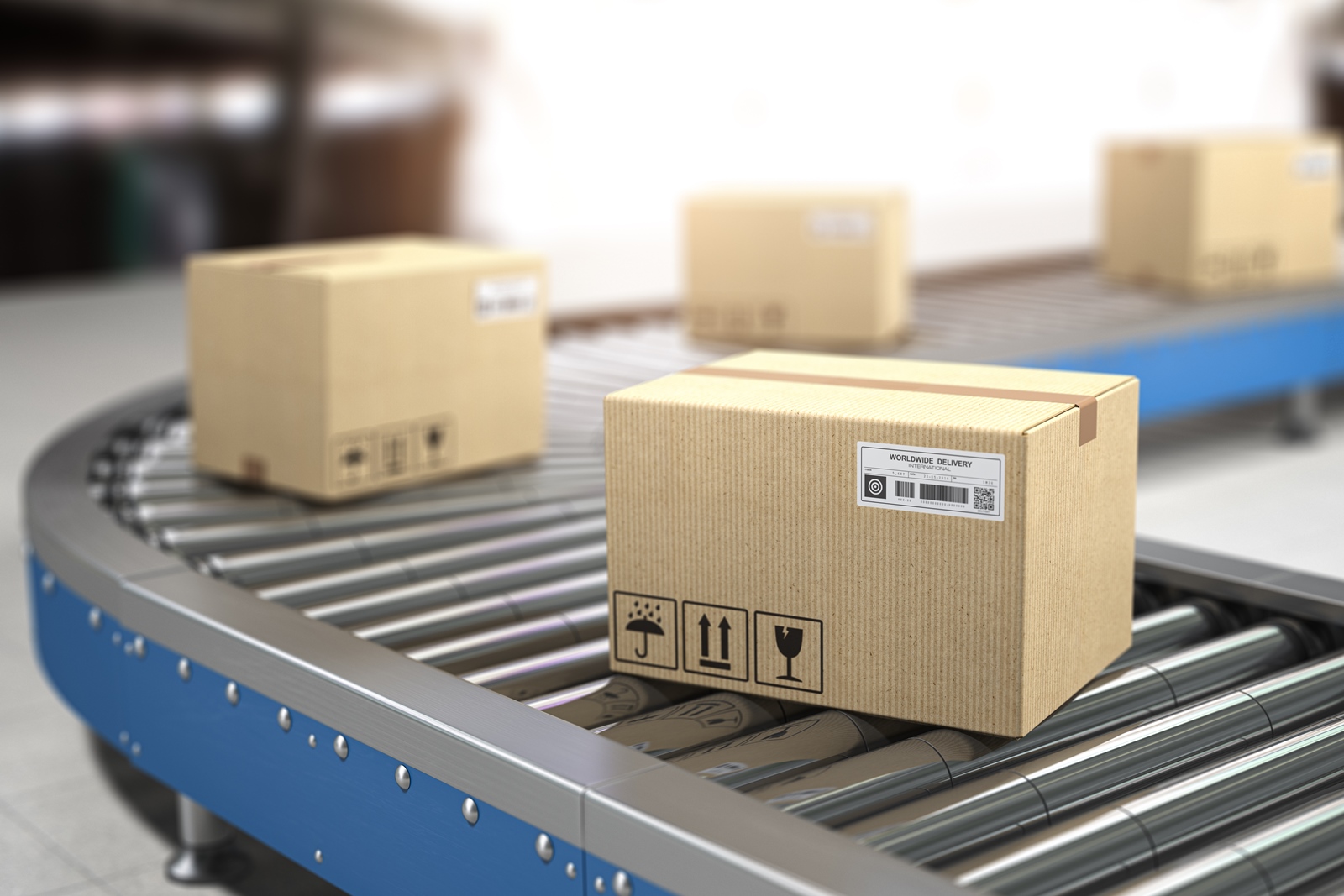
Did you know that a 3-lb wool sweater shipped in a standard 16×12×10 box gets billed as an 11-lb shipment? That gap isn’t a billing error—it’s dimensional weight pricing at work, and it’s quietly draining margins across the shipping industry.
Carriers like FedEx, UPS, DHL, and LTL freight fleets shifted away from pure scale weight years ago. Today, they charge based on whichever is higher: actual weight or calculated cubic density. Packaging, once treated as protective overhead, has become an active variable in parcel freight cost containment. Brands that ignore it are essentially paying to ship air.
What Is Dimensional Weight and How Is It Calculated?
Dimensional weight (DIM) pricing compares a package’s volume to its actual scale weight, then bills whichever figure is greater. This is the foundation of DIM weight calculations: multiply length by width by height, then divide by a carrier-assigned divisor.
That divisor is the critical variable. Standard domestic divisors often sit around 139, while negotiated commercial rates can be more favorable. A lower divisor increases billable weight—and your shipping expenses—for the exact same box.
Carrier logic explains why. Trucks, cargo planes, and delivery vans typically “cube out,” running out of physical space, long before they “weigh out,” hitting legal weight limits. Carriers need a pricing model that reflects the real constraint: volume, not just mass. That’s why billable weight vs. actual weight has become the defining metric in modern invoicing.
The Hidden Financial Leaks of Poor Packing
Oversized boxes don’t just look wasteful—they create a cascade of costs.
Trapped air directly inflates line-haul charges and surcharges, since you’re billed for the cube your box occupies, not the product inside it. Packages that exceed dimensional thresholds for length or width often trigger additional handling fees on top of the inflated base rate.
Then there’s dunnage. Oversized cartons force teams to buy more void fill—bubble wrap, air pillows, kraft paper—just to stabilize product inside unused space. You’re effectively paying twice: once for the oversized box’s dimensional weight, and again for the material needed to pad it.
The damage doesn’t stop at the dock. Inefficient master cartons reduce units-per-pallet, which drives up storage costs and shrinks line-haul efficiency across the entire warehouse network.
The Strategic Playbook: The Right-Sizing without Compromising Protection
Reducing the costs of shipping empty space starts with matching the packaging to the product, not defaulting to the nearest box on the shelf. Here are some tips:
- SKU-to-box rationalization. Move beyond a generic five-box tier system toward dynamic, multi-tiered packaging suites built around your top-velocity SKUs. Multi-depth cartons with custom scoring let packers adjust box height on the fly, eliminating excess void without needing a separate carton for every size variation.
- Automated and on-demand packaging. Box-on-demand machinery builds a tailor-fit custom box for each order, cutting dimensional footprint to the minimum the product requires. For soft, non-fragile goods, poly-mailers and padded mailers can shrink dimensional weight close to zero.
- Engineered void-fill and modern materials. High-density, low-footprint cushioning—molded pulp, structured corrugated inserts—protects impact zones without requiring the large perimeter margins traditional void fill demands.
How to Conduct a Lean Packaging Audit
A lean packaging audit helps businesses identify unnecessary shipping expenses, improve packaging efficiency, and uncover opportunities to reduce dimensional weight charges. Follow these four steps to evaluate your current packaging operations and identify potential cost savings.
- Gather your data. Export 90 days of carrier invoices and compare actual versus billed weight across your top service levels. This reveals exactly where dimensional weight pricing is costing you the most.
- Run the “air ratio” physical audit. Measure average product cube against average carton cube on the packing line to calculate your true pack-to-product fill rate.
- Check packer workflow. Are warehouse associates eyeballing box selection, or does cartoning optimization software guide pack-size decisions? Discretion-based packing is one of the most common sources of unnecessary dimensional weight.
- Use the data to negotiate. Package redesign metrics and documented density improvements give you real leverage to negotiate better DIM divisors in your next annual carrier contract.
The 3PL Advantage: Scaling Packaging Efficiency
Partnering with an experienced third-party logistics (3PL) provider gives businesses access to advanced fulfillment technology, optimized warehouse networks, and standardized packing processes that reduce dimensional weight charges and improve shipping efficiency. Key advantages include:
- Aggregated Buying Power & Contracted DIM Divisors. Mid-market brands rarely have the volume to negotiate favorable divisors alone. Third-party logistics providers aggregate shipping volume across many clients, unlocking enterprise-tier carrier contracts with pre-negotiated DIM divisors—sometimes 166 or 195 instead of the standard 139—along with deep discounts on corrugated and dunnage through master purchasing agreements.
- Advanced Fulfillment Tech Without Capital Expenditure. 3PLs also deploy fulfillment technology without requiring capital expenditure: automated dimensioning scanners, carton-erecting equipment, and warehouse management systems with built-in cartonization algorithms that tell packers exactly which box to use and how to pack it.
- Distributed Fulfillment to Slash Shipping Zones. Distributed, multi-node fulfillment networks further reduce shipping zones, cushioning the impact of high DIM rates by keeping inventory closer to end customers.
- Removal of Guesswork. Standardized SOPs and trained packing teams round this out, removing guesswork and holding operations to strict fill-rate and damage SLAs.
How Lean Supply Solutions Can Turn Packaging into a Profit Driver
Packaging isn’t an afterthought—it’s a high-ROI operational lever. Every inch of unused space in a carton is a line item on your next carrier invoice, and every improvement in fill rate compounds across thousands of shipments.
Stop subsidizing the shipping of empty air. Audit your carton sizes before your next carrier rate adjustment hits. Lean Supply Solutions specializes in packaging optimization, fulfillment technology, and carrier cost containment strategies that turn this exact problem into measurable savings. Reach out to Lean Supply Solutions to start your packaging audit today.