
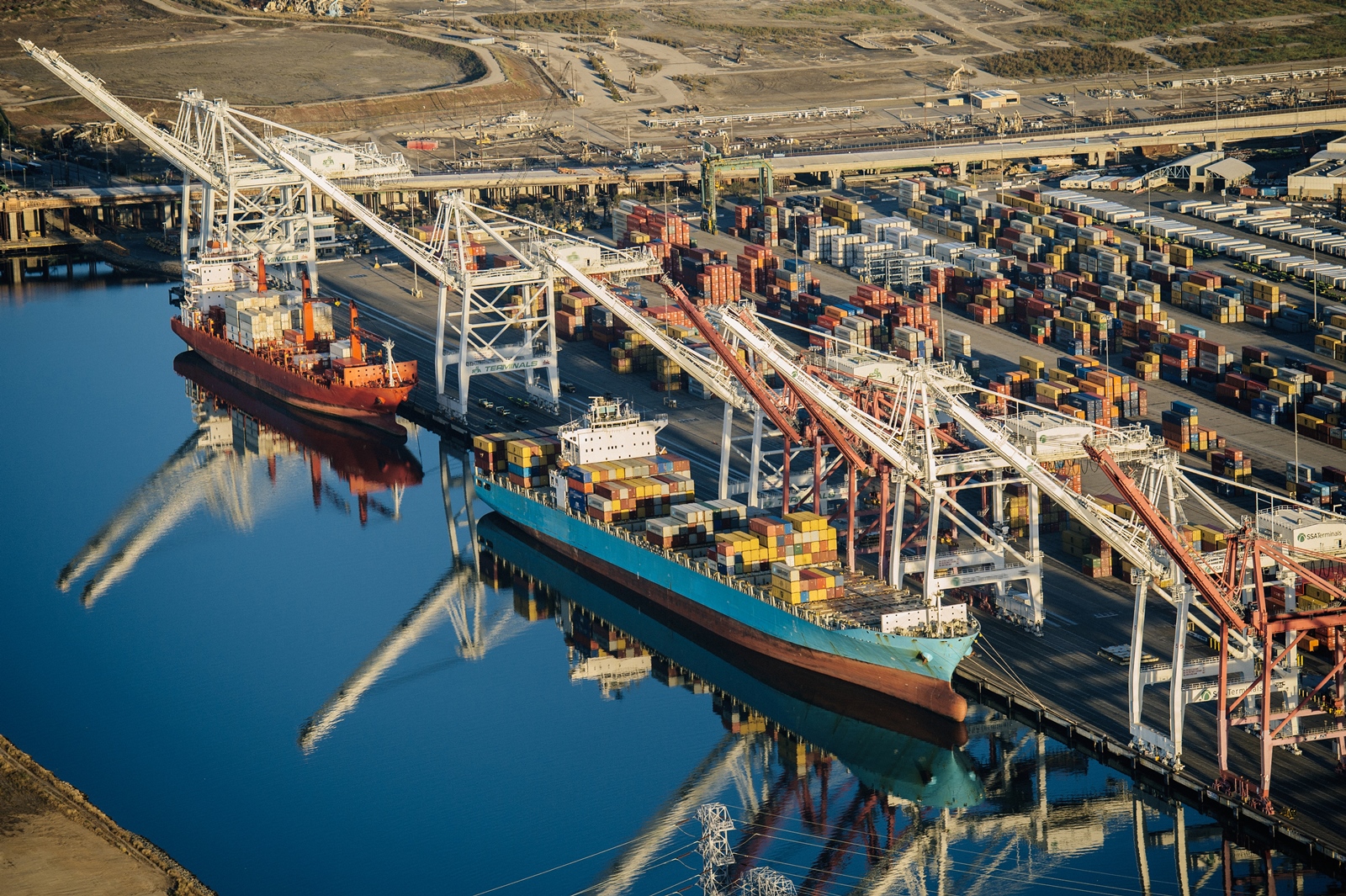
Southern California doesn’t just participate in North American trade—it drives it. The Ports of Los Angeles and Long Beach together handle one of the largest shares of containerized imports entering the U.S., making the San Pedro Bay port complex the country’s most important cargo gateway. For shippers and supply chain professionals, this fact isn’t just impressive; it’s a strategic signal.
Most businesses treat SoCal as a pass-through zone. Goods come in, get routed east, and the region is forgotten. That’s a costly mistake. When you treat Southern California as a strategic stronghold—leveraging drayage proximity, intermodal rail transportation, and localized warehousing—you can unlock significant reductions in parcel shipping costs and transit times that central or eastern distribution simply can’t match.
The San Pedro Bay Gateway and the Heavyweight Corridor
Geography matters in logistics, and SoCal’s geography is exceptional. The Ports of Los Angeles and Long Beach sit at the heart of San Pedro Bay, forming the largest container port complex in North America. Together, they serve as the primary entry point for goods arriving from Asia, and their combined capacity continues to grow through ongoing infrastructure investment.
What many shippers overlook is the Heavyweight Corridor—a network of legally designated roadways in the Los Angeles and Long Beach area that allow permitted trucks operating under the Heavy Container Corridor program to transport heavier container loads of up to 95,000 lbs, compared to the standard 80,000 lbs limit that applies elsewhere. This matters for two practical reasons:
- Fewer container trips are needed to move the same volume of goods, reducing overall drayage activity
- Lower carbon footprint and port-to-warehouse costs, since each trip carries more freight per run
For high-volume importers, this is an immediate operational advantage that shippers in other regions simply don’t have access to.
Decoding the Drayage Cost Advantage
Drayage—the form of short-haul trucking that moves containers from the port terminal to a nearby warehouse—is one of the most cost-sensitive variables in the inbound supply chain. And it scales fast with distance.
The financial difference between a 15-mile drayage pull to an L.A. or Orange County fulfillment centre in Southern California versus a 60+ mile haul deep into the Inland Empire is significant. Fuel, chassis time, driver hours, and congestion fees all compound over longer distances. Multiply that across hundreds or thousands of containers per year, and the savings from proximity become substantial.
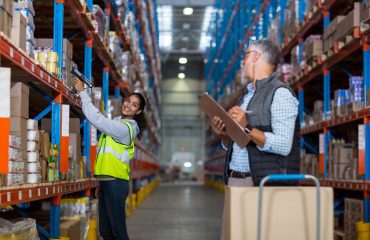
Localized California 3PL warehouses also deploy strategies that help reduce delays and improve container flow during periods of heavy port activity
Two of the most effective are:
- Peel-off piles: Rather than breaking down an entire container at once, warehouse teams selectively pull pallets for immediate processing, accelerating throughput.
- Night gate access: Many SoCal port terminals offer extended gate hours, allowing drayage carriers to pick up containers during off-peak hours and avoid daytime congestion surcharges.
Together, these tactics make port-adjacent Southern California order fulfillment more predictable and cost-controlled than shipping from further inland.
Intermodal Rail: Bridging the Ports to the Heartland
SoCal’s rail infrastructure is one of the area’s most underutilized strategic assets. The Alameda Corridor—a 20-mile rail expressway connecting the ports to the national rail network—feeds directly into the BNSF and Union Pacific systems, which collectively span the entire continent. No other logistics region in North America offers this level of intermodal connectivity from a single port complex.
For cross-country freight, intermodal rail transportation hits the sweet spot between cost and speed. It’s meaningfully cheaper than over-the-road (OTR) trucking while being faster and more reliable than slower supply chain alternatives.
The real savings, however, come from transloading.
Here’s how it works: ocean containers—typically 20-foot or 40-foot units—are brought to a local SoCal fulfillment facility and unloaded, and their contents are consolidated into larger 53-foot domestic rail containers. In practical terms, this means that, depending on the freight, three ocean containers could be consolidated into two 53-foot domestic containers. This kind of reduction in unit count would translate directly into lower cross-country long-haul rates—sometimes dramatically so for brands moving large, consistent volumes.
For B2B fulfillment in California, where high-volume shipments move regularly through national distribution networks, transloading is one of the most effective tools available for controlling freight spend.
How SoCal Proximity Reduces Zone-Based Parcel Costs
Carrier pricing for parcel delivery, whether it’s FedEx, UPS, or USPS, is zone-based. Zone 2 is the cheapest (closest to origin), and Zone 8 is the most expensive (furthest from origin). Every zone a parcel crosses adds cost.
Brands that store inventory in a central U.S. hub and ship to West Coast buyers are paying Zone 7 or Zone 8 rates on every parcel heading to California. That’s an expensive way to serve one of the largest, most affluent consumer markets in the country.
A Southern California logistics hub solves this directly through what’s known as zone injection. Instead of shipping individual parcels across the country, inventory is held at a fulfillment centre in Southern California and injected into local carrier networks at Zone 2 or Zone 3 rates. The results are significant:
- Final-mile parcel spend drops considerably.
- Delivery times compress to one to two days for millions of SoCal consumers.
- Customer experience improves without any change to the carrier contract.
Southern California is also home to millions of consumers, one of the densest concentrations of retail buyers in North America. That regional demand alone can justify a West Coast inventory position, and when paired with zone injection strategy, the economics become even more compelling.
Lean Supply Solutions has facilities in Redlands, California, strategically positioning clients to capture all of these advantages—from port-proximate drayage to fast, cost-effective last-mile delivery across the region.
Total Landed Cost: The Metric That Actually Matters
One of the most common objections to SoCal warehousing is real estate cost. Warehouse rents in Los Angeles and Orange County are among the highest in the country, and that number is easy to fixate on.
But square footage cost is the wrong metric. Total landed cost—the full cost of getting a product from the port to the customer’s door—is what determines profitability. When you account for reduced drayage, lower parcel zone spend, transloading savings, and compressed transit times that reduce safety stock requirements, premium SoCal warehouse rents often pay for themselves many times over.
Shippers who move operations inland to save on rent frequently discover that those savings evaporate in higher drayage costs, longer parcel zones, and slower delivery times that erode customer satisfaction and repeat purchase rates.
The smarter approach is to evaluate the full picture. Use high-turnover SKUs to justify coastal storage, apply disciplined inventory practices to manage carrying costs, and let freight and parcel savings do the heavy lifting. That’s the framework Lean Supply Solutions brings to every client relationship—eliminating waste across the supply chain, not just in any one line item.
If you’re evaluating your West Coast logistics strategy, the team at Lean Supply Solutions is ready to help you build a network designed for both speed and savings. Contact us today to get started.