

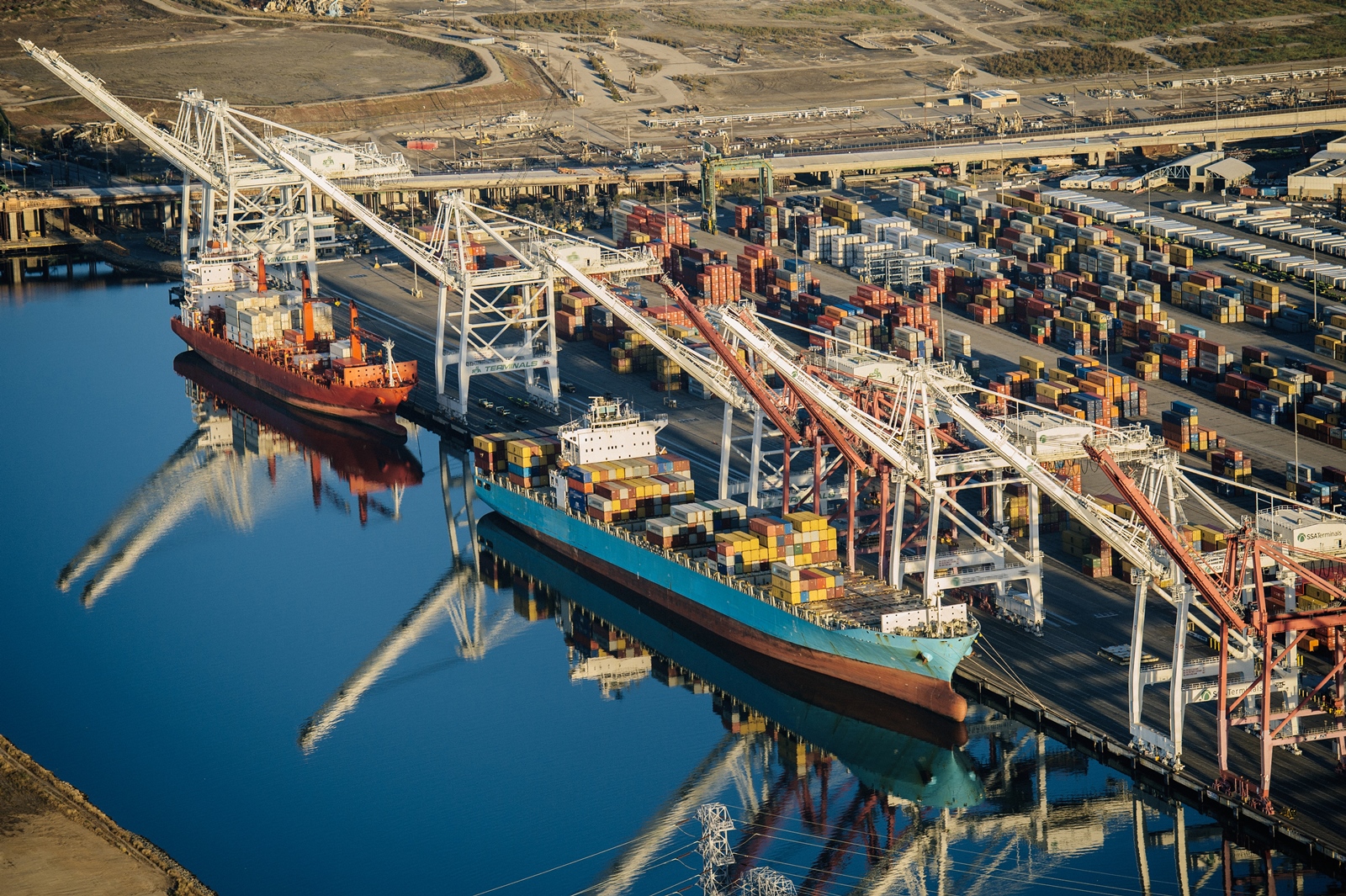
B2B buyers now expect B2C-level delivery speeds. The old strategy of holding “wait and see” inventory at inland buffers is officially dead. Modern supply chains require continuous flow inventory to keep up with demanding market expectations and tightened delivery windows. For business owners and logistics managers operating on the West Coast, mastering this rapid flow is critical for survival.
What Is the Dock-to-Stock Rule in Logistics?
In logistics, dock-to-stock refers to the time it takes for inbound inventory to move from the receiving dock to available inventory status within the warehouse management system (WMS). For many high-volume California B2B operations, achieving a sub-24-hour dock-to-stock cycle is becoming an increasingly important competitive benchmark.
This operational benchmark is quickly becoming the gold standard for high-volume operations. In fact, adhering to the dock-to-stock rule in California B2B environments is essential to remaining competitive against regional rivals.
Proximity to the ports of Los Angeles and Long Beach provides a unique operational advantage. Relying on inland hubs, such as the Inland Empire, often results in unavoidable transit bottlenecks. A strategic location near the coast enables companies to hit that tight 24-hour turnaround window and unlock massive efficiencies. This guide explores how embracing this shift will define success for distributors over the next few years.
The Logistics Geography of the Golden Circle
Navigating the complex landscape of California B2B logistics in 2026 requires a deep understanding of facility placement. The most successful businesses are focusing their operations within a specific, high-density industrial zone.
This “golden circle” encompasses the facilities located within 20 miles of the major ports, including areas like Compton, Carson, and Torrance. Operating within this radius provides a distinct 20-mile advantage. A 30-minute drayage trip to a port-adjacent facility sharply contrasts with the notably longer and congestion-prone moves into the Inland Empire, where severe traffic patterns and strict emissions-controlled zones create significant transit lag for those further inland.
Being close to the port unlocks the highly coveted “double turn” potential. Local facilities can run multiple drayage turns per day per driver. This operational rhythm effectively increases the intake capacity significantly compared to distant competitors who struggle to complete a single daily turn.
Orchestrating the Handshake: Terminal to Warehouse
Achieving optimal dock-to-stock efficiency requires seamless coordination between port terminals and receiving facilities. Technology bridges this gap, allowing goods to flow smoothly from the ship to the warehouse floor.
Advanced visibility platforms and port-integrated tracking systems now provide warehouses with live GPS tracking and manifest data long before a container leaves the terminal. This high level of supply chain visibility allows operations managers to prepare their docks proactively.
Predictive labour planning relies on this data to coordinate warehouse teams, automated equipment, and exception-based workflows. Managers can stage teams at the dock doors precisely when the chassis arrives, eliminating costly idle time.
The receiving process itself is undergoing a revolution. Facilities are moving far beyond manual barcode scanning. Many advanced warehouses are beginning to use AI-powered vision and automated scanning systems to scan entire pallets while they are still in motion, updating the warehouse management system in mere milliseconds.
Solving the Mixed SKU Nightmare
Breaking down complex freight is a notorious bottleneck for business owners and supply chain professionals. B2B containers rarely contain a single product type, making the deconsolidation process highly intricate.
These containers often house complex, multi-client, and multi-destination loads. Unpacking these mixed SKUs requires precision and speed to maintain the flow of goods under the strict 24-hour mandate.
Automated de-palletizing systems offer a reliable solution to this challenge. The integration of robotic arms and autonomous mobile robots handles the heavy-duty breakdown of B2B loads efficiently. This technology reduces the risk of human injury while drastically speeding up the sorting process.
Velocity-based slotting further streamlines operations. Intelligent software identifies high-demand items during the offload process. The system then directs these priority goods to cross-dock lanes instead of long-term storage racks, cutting holding time to nearly zero.
Financial Impacts: Beyond the Freight Bill
The benefits of the dock-to-stock rule in California B2B operations extend far beyond simple time savings. Implementing this aggressive turnaround standard yields significant financial advantages for high-volume firms.
A faster cash-to-cash cycle represents a massive working capital win. Goods that hit the shelves or outbound trucks 48 hours faster can unlock millions in capital. This liquidity allows manufacturers and distributors to reinvest in growth and new inventory rather than tying funds up in stagnant stock.
Rapid velocity also serves as a strong defence against exorbitant port fees. The 24-hour turnaround eliminates chassis-hoarding and container delays, effectively protecting businesses from severe detention and demurrage charges.
Finally, operating locally offers a distinct “California premium.” Being situated near the ports allows firms to utilize electric vehicle (EV) drayage fleets. This strategic move can help reduce fuel costs, emissions exposure, and transportation compliance-related expenses associated with longer diesel routes.
The New Barrier to Entry
Speed remains the only true competitive moat in modern fulfillment. Adhering to the 24-hour rule is no longer an optional upgrade; it is the fundamental price of admission.
The logistics landscape will continue to accelerate over the next few years. By 2028, distributors with slower inbound processing cycles may struggle to compete on cost, speed, and customer expectations in California’s high-volume fulfillment market. Investing in port-adjacent facilities, predictive technology, and automated receiving processes is essential for long-term viability.
If your business is struggling to maintain this pace, Lean Supply Solutions can help optimize your operations for maximum efficiency. Explore our comprehensive supply chain management services to see how we can transform your fulfillment strategy today.