

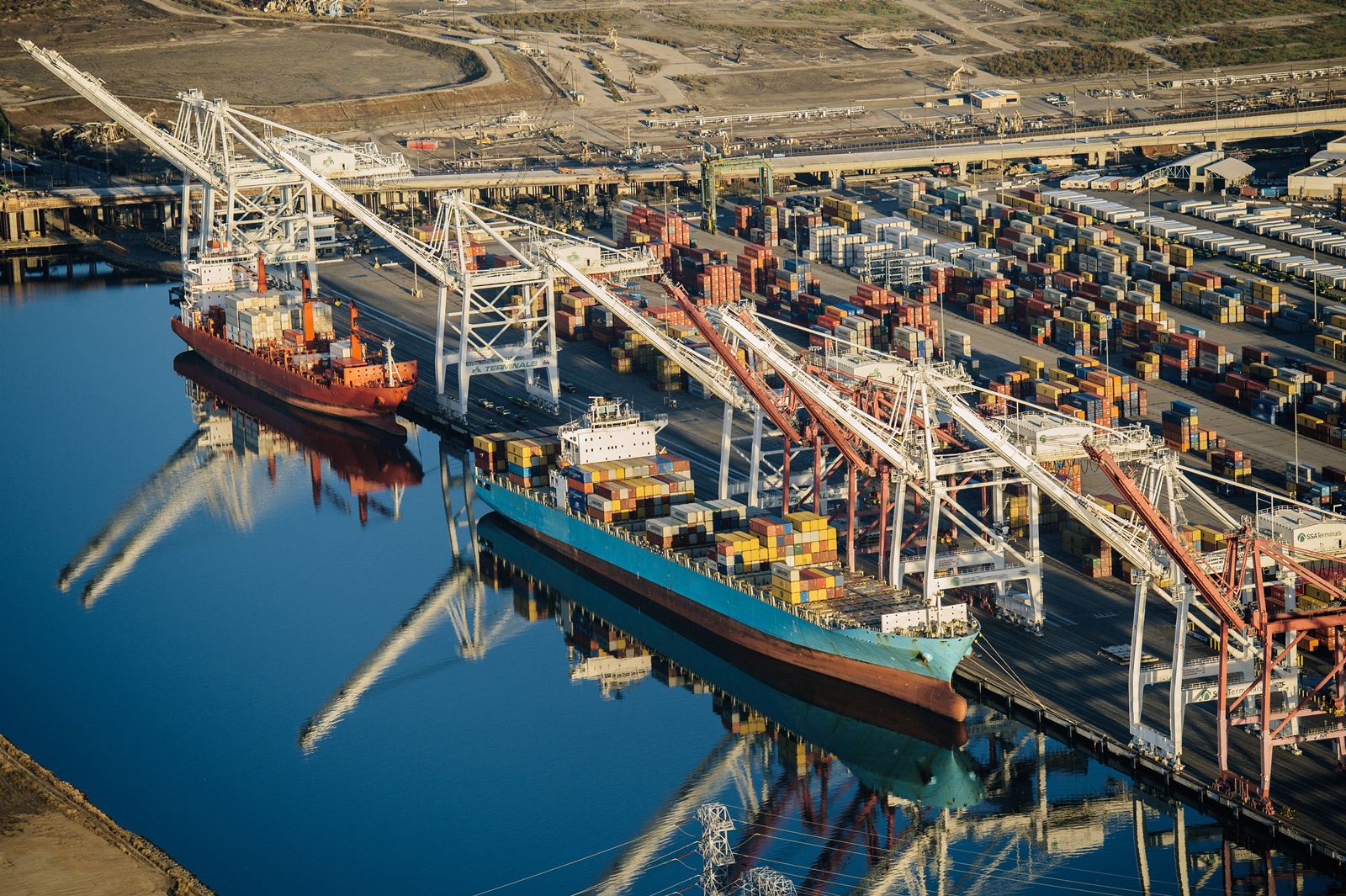
The e-commerce landscape is currently defined by the relentless “port-to-porch” race. Consumer expectations for rapid delivery have permanently shifted, making same-day and next-day shipping strict requirements rather than premium perks. As shopping cart platforms continue to expand their capabilities, merchants relying on traditional inland warehousing are quickly discovering that geographical distance creates a massive operational bottleneck. Every mile a shipping container travels over land adds compounding costs and delays that erode profit margins.
This geographical reality means that California functions as a logistics super-node for North American trade. For brands aiming to scale their operations, establishing a footprint near the Los Angeles and Long Beach port complex offers the single most effective way to slash transit times and overhead. Choosing to outsource fulfillment with Shopify through a strategically located West Coast hub gives merchants a distinct structural advantage over competitors shipping from the Midwest.
Navigating this logistics landscape requires a proactive approach to inventory placement. Securing Shopify fulfillment California operations ensures your products spend less time sitting on trains and more time moving toward the end consumer.
The Power of the Southern California Gateway
Establishing a base near the Pacific coast provides unparalleled access to incoming overseas freight. The sheer volume of trade flowing through this region creates a massive ecosystem of infrastructure designed specifically for rapid cargo distribution.
The Ports of Los Angeles and Long Beach, commonly known as the Twin Ports, collectively handle approximately 31% of all U.S. containerized international waterborne trade, making the San Pedro Bay complex the most important container gateway in the country.
Capitalizing on the “zero-mile advantage” means positioning your Shopify fulfillment centre adjacent to these ports. Every mile between the cargo ship and the storage shelf costs money and time. By minimizing this initial travel distance, brands can significantly reduce inbound freight friction.
Drastically Reducing Port-to-Warehouse Costs
Moving freight from the ocean terminal to an inland storage facility introduces multiple layers of expense. A localized fulfillment strategy eliminates many of these hidden fees and streamlines the entire receiving process.
Partnering with a specialized Shopify 3PL in California provides several immediate financial benefits for inbound cargo operations:
• Drayage Efficiency: Short-haul trucking, which moves containers from the terminal directly to a nearby warehouse, is significantly more cost-effective when the third-party logistics provider operates close to the port complex. Minimizing container travel distance helps reduce fuel, labour, chassis, and congestion-related costs.
• Eliminating Demurrage and Detention: Close proximity allows for much faster container turnaround. Empty containers are returned to the shipping lines promptly, preventing the massive daily late fees that quickly accumulate during supply chain disruptions.
• Transloading vs. Cross-Docking: Using localized hubs allows logistics teams to rapidly break down ocean containers into parcel-ready shipments. This skips the need to move full, heavy containers to a distant inland holding facility before sorting.
Accelerating Transit Times From Ocean to Cart
Speed to market directly influences conversion rates on your e-commerce storefront. Faster inbound processing means your available inventory updates sooner, capturing sales while competitors are still waiting for their goods to clear a rail yard in Chicago.
A West Coast entry point cuts days off total transit times compared to routing shipments through East Coast ports or inland rail hubs. This inventory velocity allows merchants using Shopify fulfillment in California to restock popular items rapidly. Rapid intake at the port translates to updating “in stock” quantities days earlier than competing brands, preventing lost revenue from stockouts.
Furthermore, this location offers significant last-mile synergy. The region is home to one of the highest concentrations of digital consumers in North America. Storing inventory near the port inherently places your products right next to a massive base of ready buyers, reducing outbound shipping zones and delivery times.
Future-Proofing for 2026 with Technology and Sustainability
Logistics technology and environmental regulations are evolving rapidly, and the West Coast consistently leads these industry shifts. Aligning with this progressive infrastructure ensures your operations remain compliant and highly efficient over the coming years.
Modern facilities are integrating AI-driven systems, such as the Port Optimizer, which predict vessel arrival times with near-perfect accuracy. This smart port integration allows a Shopify fulfillment partner to schedule warehouse labour perfectly, eliminating idle time. Additionally, this region leads the push for green logistics, implementing zero-emission drayage and electric trucking fleets. For e-commerce brands prioritizing eco-friendly operations, this sustainable infrastructure serves as a powerful selling point. Sourcing a facility here also helps build a tariff-resilient supply chain by utilizing a foreign trade zone (FTZ) to legally defer, reduce, or eliminate customs duties on imported goods until they actually enter the domestic market.
Strategic Advice for E-Commerce Merchants
Maximizing the benefits of a coastal logistics hub requires careful inventory planning and system integration. Applying the right strategies ensures you are not overpaying for storage while still meeting rapid delivery expectations.
Merchants should adopt a tiered inventory strategy to balance storage costs with fulfillment speed. High-volume stock keeping units (SKUs) should live in Southern California for rapid deployment, while slower-moving items can be pushed to cheaper inland storage zones. Additionally, merchants on advanced platforms can leverage network automation to manage this port-to-parcel flow seamlessly. Integrating your storefront with advanced warehouse management systems ensures real-time visibility across all locations.
Securing Your Competitive Edge on the West Coast
Operating a highly efficient supply chain is a fundamental necessity for merchants scaling past five figures in monthly orders. The brands that will dominate their respective markets in 2026 are those that proactively shorten the physical distance between the ocean and their customers.
Optimizing your logistics network starts with choosing the right geographic location and the right operational partner. Lean Supply Solutions offers the advanced technology, Lean Methodology, and strategic California positioning required to accelerate your e-commerce growth.
Ready to eliminate shipping delays and reduce your fulfillment costs? Contact Lean Supply Solutions today to build a smarter, faster supply chain.
