

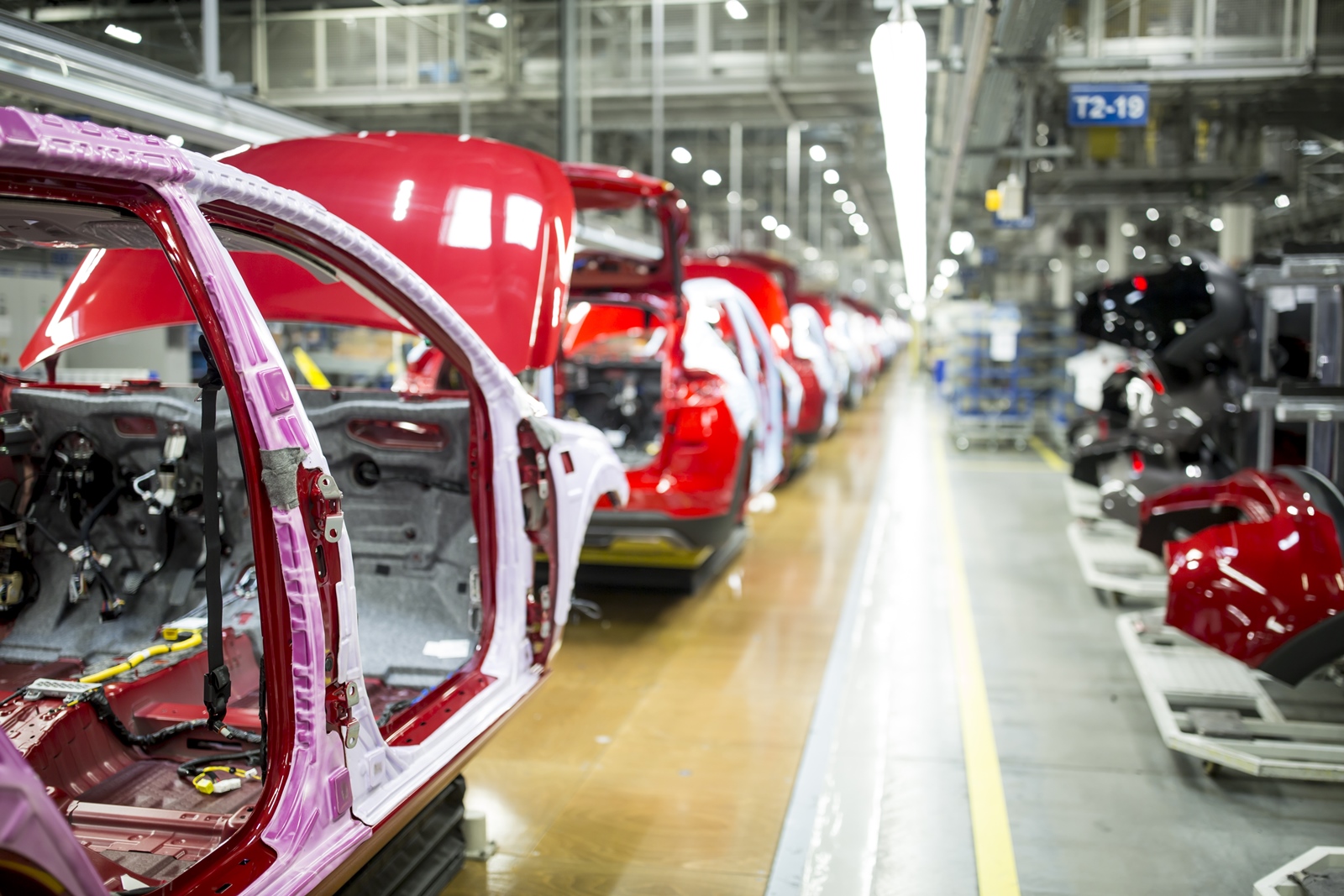
The automotive industry is undergoing its most significant transformation in a century. Electrification, autonomous driving, and mass customization are not just trends; they are seismic shifts reshaping every aspect of vehicle production. Recent supply chain crises, like the global chip shortage, exposed just how vulnerable these complex networks are. The challenge is not merely about increasing volume, but managing an explosive rise in complexity, from specialized battery cells to countless high-tech components.
To navigate this volatile landscape, manufacturers need more than traditional inventory management—they need agility, visibility, and deep collaboration. This is where vendor-managed inventory (VMI) in the automotive industry becomes essential.
VMI is a supply chain model where the supplier takes responsibility for maintaining the buyer’s inventory levels based on real-time data shared by the buyer. It provides the visibility and efficiency required to stabilize complex production schedules, minimize risk, and fuel sustainable growth in a demanding market.
The Modern Automotive Supply Chain Challenge
Today’s automotive supply chains are intricate webs of global suppliers, high-value components, and just-in-time schedules. Any disruption can have a domino effect, leading to costly delays. The transition to electric and autonomous vehicles has only intensified these pressures.
Complexity of New Components
The shift to new vehicle technologies has introduced a host of specialized parts that require precise handling and delivery:
- Electric Vehicles (EVs) and Batteries: High-value, complex components like battery cells, electronic control units, and advanced power systems require precise, just-in-time delivery. Storing these items in large quantities is both costly and risky.
- Software and Electronics: Modern vehicles are effectively computers on wheels. The volume of semiconductors, sensors, and wiring harnesses has exploded, increasing the risk of line-down scenarios due to a shortage of even a single small part.
Demand Volatility and Forecasting Errors
The automotive market is notoriously cyclical, and forecasting consumer demand is a constant challenge. This uncertainty creates the “bullwhip effect,” where small changes in consumer demand cause massive inventory swings further up the supply chain. Global sourcing amplifies this problem, as long lead times force companies to rely on forecasts that may be outdated by the time products arrive. Vendor-managed inventory in the automotive industry is a direct antidote to this effect, as it aligns inventory management with real consumption data rather than speculative forecasts.
The High Cost of Stoppages
Automotive assembly lines are among the most expensive assets to run. A single production line can cost millions of dollars per hour to operate, so any unplanned downtime is financially devastating. A stockout of a single, inexpensive fastener can halt an entire operation, underscoring the critical need for absolute reliability in parts availability.
How VMI Solves Core Automotive Problems
VMI in automotive supply chain management directly addresses these pain points by creating a symbiotic relationship between manufacturers and suppliers. This model delivers concrete, measurable advantages for both parties.
Elimination of Stockouts & Downtime
For manufacturers, the primary benefit of VMI is production continuity.
Suppliers monitor real-time consumption data from assembly points, often through electronic data interchange (EDI) or integrated enterprise resource planning (ERP) systems. This allows them to see exactly which parts are being used and at what rate.
With this visibility, suppliers can proactively replenish stock before it runs out. This prevents stockouts of critical components like fasteners and small electronic parts, ensuring a continuous production flow aligned with just-in-time principles.
Reduced Inventory Holding & Carrying Costs
Holding excess inventory ties up capital and incurs significant costs. VMI helps manufacturers run a leaner operation. By relying on suppliers to manage stock levels, manufacturers can minimize their safety stock (just-in-case inventory). This frees up significant working capital and reduces the need for extensive on-site storage, lowering warehouse and handling costs. For businesses seeking solutions in automotive warehousing and distribution in the USA, this is a major value proposition.
Enhanced Forecasting Accuracy
VMI provides suppliers with a clear, unfiltered view of their products’ demand patterns. Instead of relying on sporadic purchase orders, they gain direct visibility into actual usage rates. This allows suppliers to optimize their own production schedules, leading to fewer unplanned changeovers, reduced manufacturing waste, and a more stable operation.
Deeper Supplier-Buyer Collaboration
Ultimately, VMI shifts the relationship from transactional to strategic. The supplier is no longer just an order-taker but a vested partner in the manufacturer’s success. This fosters trust and shared accountability, with performance often measured by joint key performance indicators (KPIs) like fill rates and inventory turns.
VMI as a Strategy for Future Automotive Growth
As the industry pivots toward EVs and greater digitalization, VMI is becoming even more critical. It is not just an operational tool but a strategic enabler of future growth.
Supporting EV Supply Chain Localization
As battery manufacturing and EV assembly become more localized to reduce costs and geopolitical risks, VMI is essential for managing the tightly controlled flow of high-value components within these new, compact supply chains.
Leveraging Automation & AI
Modern VMI systems increasingly utilize artificial intelligence (AI) and machine learning to analyze consumption patterns and predict future demand with greater accuracy than human planners. These intelligent systems can automatically trigger reorders, reducing the administrative burden for both the buyer and the supplier and enabling more efficient automotive fulfilment in the USA.
Traceability & Quality Control
In a VMI model, the supplier is directly responsible for the health of the inventory at the customer’s site. This inherently promotes better quality assurance and full traceability of component batches—a non-negotiable requirement for safety-critical automotive parts.
Implementation Considerations: Making VMI Work
While the benefits are clear, a successful VMI program requires careful planning and a commitment from both partners:
- The Trust Barrier: The foundation of VMI is data sharing. Manufacturers must be willing to share sensitive, proprietary consumption data with their suppliers. This requires strong legal agreements and a high degree of trust.
- Technology Integration: Seamless, real-time integration is a must. This is typically achieved through robust EDI or modern application programming interfaces (APIs) that connect the supplier’s inventory system with the manufacturer’s ERP or manufacturing execution system (MES).
- Defining Clear KPIs and Governance: Both parties must agree on shared goals, such as target fill rates, inventory turns, and cost savings. A joint steering committee should be established to manage exceptions, review performance, and ensure the partnership stays on track.
VMI: The Engine of Automotive Resilience
In the complex, high-stakes environment of a growing, tech-driven automotive industry, VMI is no longer a niche strategy—it is a critical mechanism for building resilience and controlling costs. The competitive landscape demands that automotive players move beyond traditional inventory practices. Adopting collaborative, data-driven VMI models is essential for staying competitive, scalable, and prepared for the challenges ahead.
Seeking expert help in setting up the right automotive supply chain VMI solution for your operations? Contact Lean Supply Solutions now.